
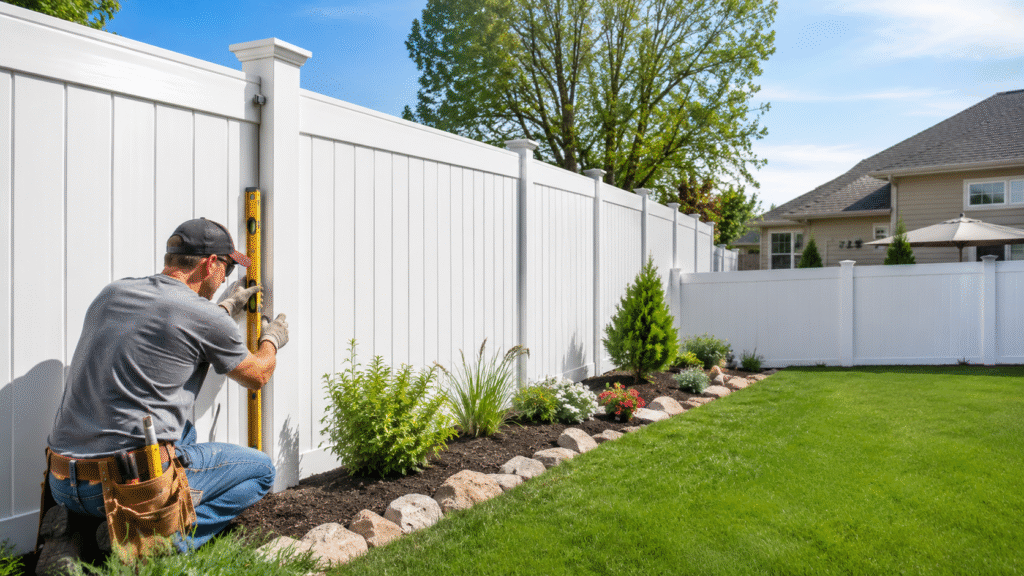
Nobody gets excited about fencing until something goes wrong, usually a wood fence that’s rotted out after just a few Dubai summers or a UK winter that turned the boards grey and warped. That’s typically the point where people start asking about PVC fence installation instead. It’s become the go-to option for homeowners who are tired of repainting, resealing, and replacing boards every couple of years. Ask around, and you’ll find plenty of people who switched after their second or third round of wood repairs, not their first. The pattern tends to repeat itself: patch a section, watch another section fail six months later, and eventually decide the whole cycle isn’t worth it anymore.
This guide covers what PVC fence installation actually involves, from picking a style to avoiding the mistakes that catch out most first-timers. Whether you’re hiring someone or doing it yourself over a weekend, you should come away knowing exactly what you’re getting into. We’ll go through the planning stage, the actual build, the costs you should expect, and what happens after the fence is up. By the end, you’ll have enough to either start the project confidently or ask a contractor the right questions.
What Is PVC Fence Installation?
PVC fence installation is basically the process of putting up a fence made from polyvinyl chloride, a plastic that’s built to shrug off moisture, pests, and sun damage. The panels come pre-formed and slot into posts and rails, so the whole process is a bit more forgiving than wrestling with heavy lumber or welding metal. Most manufacturers design their systems so the panels lock or screw into place without needing specialized carpentry skills, which is a big part of why PVC has become so popular with DIYers.
You’re setting posts into the ground (usually concreted in), running rails between them, then locking the panels into place. PVC is light compared to wood or wrought iron, so two people can often knock out a mid-sized residential fence without needing to hire equipment. That said, digging the post holes is still the most physically demanding part of the job, and it’s where most of your time actually goes, not the panel assembly, which tends to move faster than people expect.
How PVC Fencing Differs From Other Materials
Wood needs sealing and repainting, or it starts falling apart; termites don’t help either. Metal fences rust if they’re not coated properly, and once rust sets in, it tends to spread faster than people assume. PVC just doesn’t have these problems. It won’t soak up water, won’t rust, and insects have zero interest in it. There’s also no risk of splinters or warping boards, which matters more than it sounds like once you’ve got kids or pets running around the yard.
The one thing worth knowing: in really cold weather, PVC panels can crack if something hits them hard enough. Extreme cold makes the plastic more brittle than in warmer conditions, so a stray football or a fallen branch can cause more damage in January than in July. Worth keeping in mind if you’re somewhere with harsh winters, and worth asking your supplier whether their PVC is rated for low-temperature impact resistance.
Types of PVC Fences
Picking the wrong style is an easy way to waste money, so it helps to know what’s out there first. Each style serves a different purpose, and mixing them up say, installing a picket fence where you actually needed full privacy is one of the more common regrets people mention after the fact.
Privacy PVC Fences
Solid panels, usually five to six feet tall, built to block the view entirely. Most common choice for backyars where you don’t want the neighbors or the street seeing in. These panels sit close together with little to no gap, which also happens to cut down on outside noise a bit, something people don’t always expect until they’ve lived with one for a while.
Picket-Style PVC Fences
The classic front-yard look. Vertical slats with gaps between them, usually three to four feet high. Adds curb appeal without hiding your garden. It’s also a practical choice if you’ve got a dog that likes to see what’s happening on the street, since the gaps let some visibility through without letting the dog actually get out.
Semi-Privacy PVC Fences
A middle ground — panels with some spacing or a lattice top. Lets air through, gives some visibility, but still offers a decent amount of privacy. This style works particularly well in windier areas, since a fully solid fence can act like a sail and put more strain on the posts over time.
Ranch Rail and Pool PVC Fences
Ranch rail copies the look of old horizontal farm fencing and suits large or rural properties well. Pool fencing is its own category, usually with strict height and self-latching gate requirements so kids can’t wander unsupervised. Local safety codes around pool fencing tend to be non-negotiable, so it’s worth checking these before you fall in love with a particular style, since not every design will actually be compliant.
Weather and Climate Considerations for PVC Fencing
This is one of those things people don’t think about until the fence is already up and something’s gone wrong. PVC handles most weather conditions well, but extreme heat, extreme cold, and high winds each affect it a little differently, and it’s worth understanding this before you commit to a style or a supplier.
In very hot climates, dark-colored PVC can expand more than lighter colors, which is exactly why manufacturers build expansion gaps into their panel systems. Skipping these gaps, or installing in a way that ignores them, is a common reason fences start to buckle after a year or two in intense heat. In cold climates, the bigger concern is brittleness as mentioned earlier; PVC becomes more prone to cracking under impact when temperatures drop well below freezing. High-wind areas need extra attention paid to post depth and concrete volume, since a solid privacy panel catches a lot of wind and puts real pressure on the posts holding it up.
Benefits of Installing a PVC Fence
Why people actually choose PVC over the alternatives:
- No repainting or staining; the color’s baked into the material
- Doesn’t rot, doesn’t attract insects, doesn’t rust
- Lasts 20-30 years if it’s put in properly
- Cleans up easily with soap, water, and a hose
- Comes in enough colors and styles that you’re not stuck with one look
Beyond the obvious stuff, there’s also the resale angle. A fence that looks tired and weathered can actually hurt curb appeal when you’re trying to sell a property, while a clean PVC fence tends to photograph well and doesn’t raise questions during a home inspection. It’s a small detail, but small details add up when someone’s deciding between two similar properties.
Where PVC Fences Can Be Installed
It’s not just a backyard thing. Pool areas are a natural fit given how well PVC handles moisture. Commercial properties use it too, mostly because it looks clean and doesn’t need constant upkeep. Farms use the ranch-rail version for livestock boundaries, and you’ll see it around schools and playgrounds for the same reason — it holds up without much fuss.
It’s also become a common choice for rental properties, where landlords want something that won’t need attention every year but still looks decent for tenants and passersby. Property managers overseeing multiple units often standardize on PVC specifically because it cuts down on the maintenance calls that wood fencing tends to generate.
Residential vs Commercial PVC Fence Installation
The installation steps don’t change much, but the scale and rules do. A residential job might involve a single backyard perimeter, while a commercial project could mean hundreds of linear feet running along a parking lot or a warehouse boundary, which changes both the timeline and the equipment involved.
Key Differences in Height and Design
Residential fences generally top out around six feet, mostly for privacy. Commercial jobs sometimes need taller fencing, occasionally with anti-climb features if security’s a priority. Commercial installs also have to survive more wear and foot traffic, so durability matters more than looks there. Contractors working on commercial sites often use reinforced posts or wider panel spacing to handle the extra demands, something residential installs rarely need.
Permits and Zoning
Commercial fence projects usually need proper zoning sign-off, especially if the fence sits near a road or affects visibility. Residential permits exist too but tend to be a much simpler process, sometimes just a quick application and a small fee. Still, don’t assume residential means no paperwork at all — some municipalities are stricter than others, and it’s genuinely worth a phone call before you order materials.
Planning Before Installation
A bit of groundwork before you touch a shovel saves a lot of headaches later. Rushing into digging without checking the basics is probably the single most common reason installation projects run into delays or unexpected costs partway through.
Checking Local Codes and Permits
A lot of areas require a permit, especially for taller fences or ones close to a property line. Skip this step, and you might end up paying a fine or worse, tearing the whole thing down and starting over. If there’s an HOA involved, check their rules too since they often dictate height, color, even style. Some HOAs go as far as specifying which manufacturers or product lines are approved, so it’s worth reading the fine print before you fall in love with a particular fence design.
Marking Utility Lines First
Before digging anything, get your utility lines marked. Hitting a gas or water line mid-project isn’t just a hassle — it can get dangerous and expensive fast. Most areas offer this marking service for free, and it usually only takes a few days to get someone out to flag the lines, so there’s really no good reason to skip it.
Materials and Tools Required
Worth having all of this ready before you start so you’re not making three trips to the hardware store:
- PVC fence panels and posts
- Post caps and brackets
- Concrete mix
- Post hole digger or auger
- Level and tape measure
- Screws, gate hardware, a saw for any cuts
If you’re covering a longer fence line, renting a power auger instead of using a manual post hole digger will save you a genuinely painful amount of time and effort. It’s a small rental cost that pays for itself pretty quickly once you’re a few holes in and your arms remind you why.
Step-by-Step Installation Process
Step 1 – Mark the Fence Line
Stakes and string, basically. Check it against your property survey so you’re not accidentally building on someone else’s land. This sounds like a formality, but boundary disputes over a few misplaced inches happen more often than you’d think, and they’re a genuine pain to sort out after the concrete’s already set.
Step 2 – Dig the Post Holes
Depth usually works out to around a third of the post’s total height, but this shifts depending on the frost line in your area. Cold-climate installs need to go below that line, or the ground can heave the posts out of place come winter. Consistent spacing between holes also matters more than people expect — even a few inches of variance can throw off how the panels line up later.
Step 3 – Set Posts and Check Level
Post goes in, concrete goes in, and you check it’s dead straight with a level before it sets. Even a small lean here becomes a big, annoying problem once the panels go up. It helps to check the level from two different angles, not just one, since a post can look straight from the front and still be leaning slightly to the side.
Step 4 – Let the Concrete Cure
Give it 24-48 hours minimum. Rushing this is how posts end up crooked. Hot weather can speed up curing slightly, while cooler or damp conditions might mean waiting a bit longer than the standard window, so it’s worth checking the concrete mix instructions for your specific climate.
Step 5 – Attach Panels and Rails
Once the posts are solid, the rails and panels slot in per the manufacturer’s instructions. Most PVC systems snap or slide together — not much hardware involved. Take your time on this step even though it moves quickly, since panels installed slightly crooked are much easier to fix now than after the whole fence line is finished.
Step 6 – Install the Gate
Gates take more wear than the rest of the fence, so make sure the hinges and latches are outdoor-rated and mounted at a height that lets the gate swing freely. It’s also worth adding a bit of extra reinforcement around the gate posts specifically, since they absorb the most repeated stress of any part of the fence.
Step 7 – Walk the Line and Clean Up
Check for loose panels, gaps, or anything uneven. Clear away the leftover concrete and packaging, and make sure the gate actually latches properly. This is also a good moment to take photos of the finished fence, both for your own records and in case you ever need them for insurance or a future property sale.
Common Installation Mistakes to Avoid
- Ignoring the frost line depth — posts can shift or heave in winter if this gets skipped.
- Not checking for utility lines before digging
- Uneven post spacing, which throws off the whole panel alignment
- Skimping on concrete, leaving posts wobbly down the line
- Ignoring the manufacturer’s expansion gap guidance — PVC moves with temperature changes, and skipping the gaps can cause warping
A lot of these mistakes come from trying to save time on a Saturday afternoon, and they almost always end up costing more time in the long run to fix. Taking things slow during the post-setting stage in particular tends to prevent most of the problems on this list.
Factors That Affect PVC Fence Installation Cost
DIY vs Professional
DIY saves on labor but eats up your weekend and requires the right tools. Professional installation costs more but usually comes with a workmanship warranty and the assurance that it meets local codes — which matters more than people expect if they ever sell the property. There’s also the time factor: a professional crew can often finish in a day what might take a DIYer an entire weekend, which is worth factoring into the cost comparison beyond just the dollar amount.
Cost Per Linear Foot
This depends on height, style, and local labor rates. Privacy fencing costs more per foot than picket-style simply because it uses more material. Getting a few quotes from local installers is really the only reliable way to know what you’re looking at, since prices can vary more than people expect even between contractors working in the same city.
PVC Fence vs Wood Fence
Wood still has that natural, warm look a lot of people like, but it demands constant upkeep — sealing, staining, replacing boards that rot. PVC costs more to start but usually comes out cheaper over time since there’s no ongoing maintenance. If you’d rather not deal with upkeep, PVC is the more practical pick. That said, some homeowners are willing to trade the extra maintenance for the aesthetic, especially in styles or neighborhoods where a natural wood look fits the overall design better than plastic panels would.
PVC Fence vs Aluminum Fence
Aluminum has a sleeker, more modern look and works well for security or pool enclosures. But it’s usually an open-bar design, so PVC wins if privacy is the priority. Aluminum resists rust nicely thanks to its coating, though PVC tends to be the more affordable option for larger properties needing full coverage. Aluminum also tends to hold up slightly better against strong winds since air passes through the open bars rather than pushing against a solid panel.
Is PVC Fencing Eco-Friendly?
This question comes up more often than you’d guess, especially from homeowners who care about sustainability but still want the low-maintenance benefits of PVC. The honest answer is a bit mixed. PVC is a plastic, and its manufacturing process involves chemicals that aren’t exactly green. On the other hand, PVC fencing lasts far longer than wood, which means fewer replacements over time and less material heading to landfills across the lifespan of the fence.
Many manufacturers now offer PVC fencing made with a percentage of recycled material, and some regions have recycling programs specifically for old PVC fencing at the end of its life. If sustainability matters to you, it’s worth asking suppliers directly about recycled content and end-of-life recycling options, since this varies quite a bit from one brand to another.
Maintenance Tips After Installation
This is where PVC really earns its reputation. A rinse with soap and water keeps it looking new, and it’s worth checking the posts once a year, especially after a rough storm season. No resealing, no repainting — just watch for cracked panels, which usually means impact damage rather than normal wear and tear. A soft-bristle brush handles most stains, and for tougher marks like mildew, a diluted vinegar solution usually does the trick without damaging the surface.
How Long a PVC Fence Lasts
Done right, a PVC fence should last 20 to 30 years. How long it actually lasts depends on installation quality, local climate, and the grade of PVC used. Better-quality, UV-stabilized material resists fading and brittleness far better than the cheaper stuff, so it’s worth asking your supplier about material grade before you buy. Fences installed with proper post depth and correctly cured concrete also tend to outlast ones where corners were cut during the build, which is another reason installation quality matters just as much as the material itself.
Signs You Need Professional Installation
DIY works fine for flat, easy-access properties. But sloped or uneven ground needs racking or stepping techniques that are tricky to get right without experience. Bigger properties with long fence lines also benefit from professional-grade equipment that speeds things up considerably. And if permits or HOA approval are involved, a contractor who already knows the local rules can save a lot of back-and-forth. If you’re working with rocky soil or a property that’s hard to access with equipment, that’s usually another sign it’s worth paying for professional help rather than fighting through it yourself.
How to Choose the Right PVC Fence Installation Company
Questions Worth Asking Before You Hire
Ask about licensing and insurance upfront. Get references from recent local jobs. Confirm exactly what the warranty covers — materials, labor, or both. It’s also worth asking how they’d handle surprises, like hitting an unexpected obstacle underground or a property line dispute mid-job. Getting two or three quotes helps you spot fair pricing and any red flags in what’s actually included. Pay attention too to how clearly they communicate during the quoting process, since a company that’s vague about timelines or costs upfront often behaves the same way once the project actually starts.
Frequently Asked Questions
How much does PVC fence installation cost?
It depends on height, style, length, and whether you’re hiring someone or doing it yourself. A few local quotes will give you the clearest picture.
How long does installation take?
Usually one to three days for a standard residential job, depending on length and how tricky the terrain is.
Can I install a PVC fence myself?
Yes, especially on flat ground that’s easy to access. Bigger or more complicated properties usually benefit from hiring help.
Do I need a permit?
Often, yes — particularly for taller fences or ones near a property line. Always check with your local authority first.
How deep do the posts need to go?
Depends on post height and your local frost line. Colder areas need deeper holes to stop posts shifting.
Is PVC better than wood?
Depends what you’re after. PVC wins on durability and low maintenance; wood wins on natural look and lower upfront cost.
How long does it actually last?
20 to 30 years with a proper installation.
Can it go on uneven ground?
Yes, using racked or stepped panels, though it takes more skill to get right.
Does PVC fade in the sun?
Good-quality, UV-stabilized PVC holds its color well. Cheaper material fades faster.
What’s the best time of year to install it?
Spring or fall — the ground’s easier to dig and concrete cures more predictably in mild weather.
Final Thoughts
PVC fence installation hits a sweet spot: most fencing materials don’t lower costs over time, barely any maintenance, and a lifespan that leaves wood fencing far behind. Whether it’s a pool enclosure, a property boundary, or a commercial upgrade, knowing the planning, tools, and steps involved puts you in a much stronger position, whether you end up doing it yourself or handing it off to a professional. Get the planning right, don’t cut corners on materials, and the fence you put up now should still be standing strong decades from now. And if you’re still on the fence about which route to take, getting a couple of quotes from local installers costs nothing and usually clears up most of the remaining questions pretty quickly.